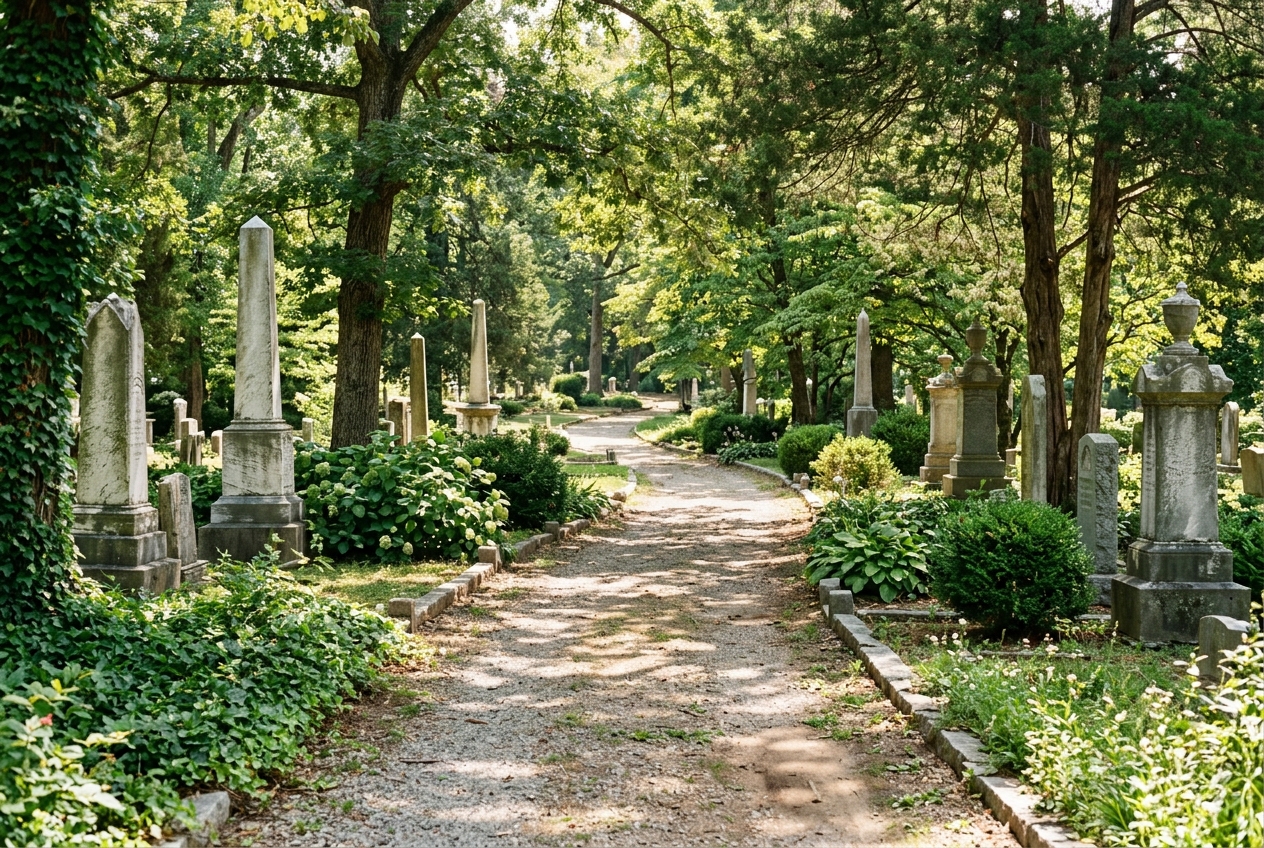
Creating a lasting tribute to a loved one is a deeply personal and significant decision. A memorial monument serves as a permanent symbol of remembrance, a place for https://privatebin.net/?dc0cc34f68d53693#AUzbsZKRHRm33e6rgAFUmzBbSbVG4ng16SqZAgxwc2iK reflection, and a tangible connection to cherished memories. While selecting the perfect design and inscription is paramount, the process of installing that monument is equally crucial to ensure its longevity, stability, and enduring beauty. In Rock Hill, understanding the meticulous steps involved in monument installation can provide peace of mind and confidence in the permanence of your chosen memorial.
The Foundation of a Lasting Legacy
The stability of a memorial monument is entirely dependent on its foundation. Much like a house, a monument requires a solid, level base to withstand the test of time, weather, and ground movement. Without proper foundational work, even the most beautiful granite can eventually tilt, sink, or become unstable. This critical first step ensures that the monument will stand proudly for generations to come, truly honoring the memory it represents.
Site Preparation and Ground Assessment
Before any physical installation begins, the chosen grave site must be thoroughly prepared. This involves assessing the ground conditions, including soil type, drainage, and topography. Our team at Gaulden Monuments carefully evaluates these factors to determine the best approach for a stable foundation. Clearing the area of any debris or uneven terrain is essential to create a pristine setting for the memorial.
Building a Solid Base
There are typically two primary types of foundations used for memorial monuments: concrete and granite. Each has its advantages, and the choice often depends on cemetery regulations, monument size, and ground conditions.
- Concrete Foundations: These are very common and provide excellent stability. A trench is dug, and a reinforced concrete slab is poured, creating a sturdy, level platform that extends beyond the footprint of the monument base. This method effectively distributes the monument's weight and minimizes the risk of settling. Granite Foundations (or sub-bases): In some cases, a large, polished granite block is used as a sub-base, often set directly into the ground or atop a smaller concrete footing. This provides an aesthetically pleasing and extremely durable foundation that can beautifully complement the main monument.
Regardless of the type, the foundation must be precisely leveled to ensure the monument stands perfectly upright. Any deviation at this stage can lead to long-term stability issues.
Setting the Monument with Precision
Once the foundation is secure and cured, the monument components – typically a base stone and a die (the upright tablet) – are carefully moved into place. This stage requires specialized equipment and experienced hands to prevent damage and ensure exact positioning.
Securing the Base
The first component to be placed is the bottom base stone. This heavy piece is carefully lowered onto the prepared foundation. Precision is key, as it must be perfectly centered and level. Our skilled professionals use specialized lifting equipment and tools to maneuver these substantial pieces safely and accurately.
Attaching the Die
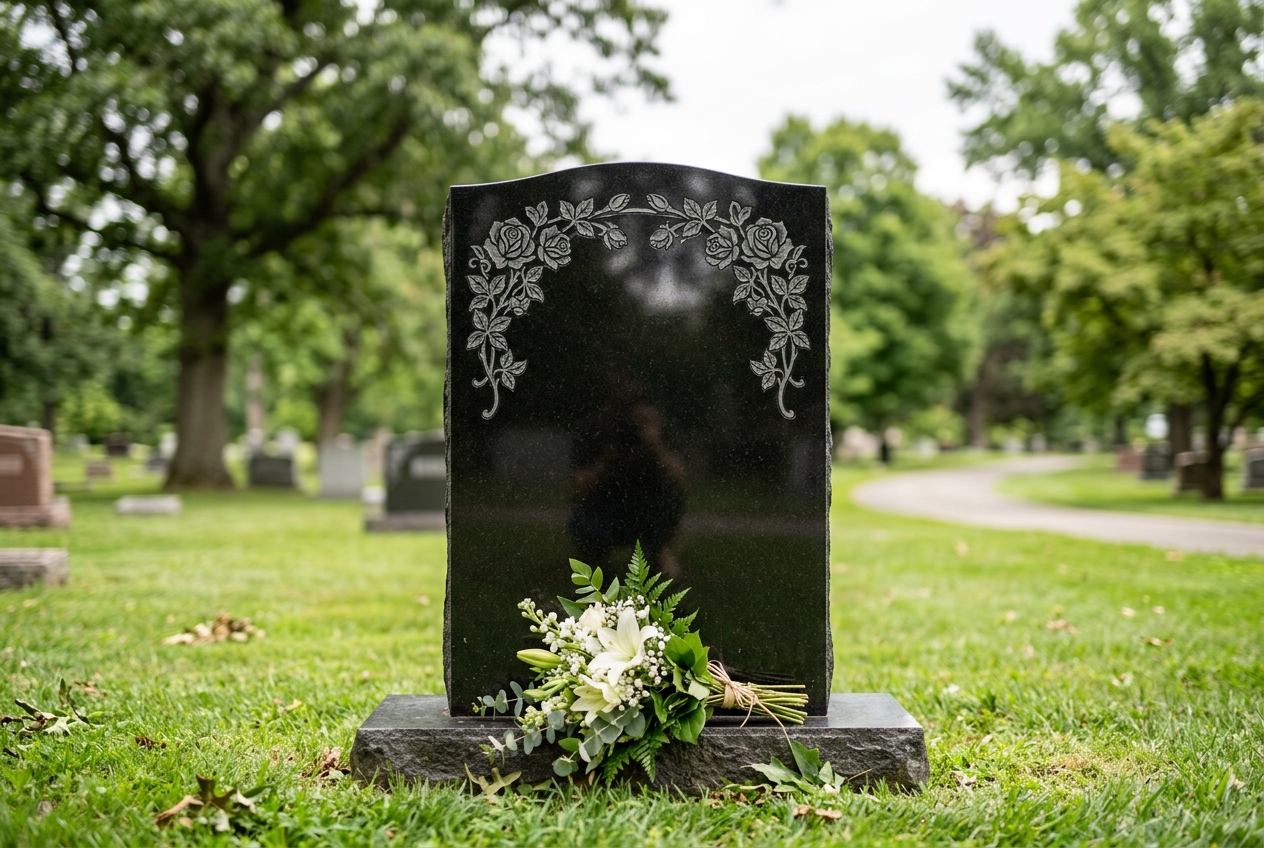
The die, or upright section of the monument where inscriptions are carved, is then carefully set on top of the base. To ensure the two pieces are permanently and securely joined, a setting compound or strong adhesive specifically designed for stone is applied between the base and the die. In many instances, especially for larger monuments, stainless steel pins are drilled into both the base and the die to provide additional structural integrity, preventing shifting or separation over time. This meticulous process ensures that the monument stands as a single, unified tribute.
Final Touches and Site Restoration
With the monument securely in place, the final steps involve cleaning the monument, ensuring all surfaces are pristine, and restoring the surrounding area. Any construction debris is removed, and the site is left tidy and respectful, ready for visitation.
Why Professional Installation Matters
The installation of a memorial monument is not a task for amateurs. It requires specialized knowledge, specific equipment, an understanding of physics, and an unwavering commitment to precision. Opting for professional installation offers several crucial benefits:
- Durability: Ensures the monument is built to last, resisting natural elements and time. Safety: Prevents the monument from tilting or falling, which could be hazardous. Compliance: Adheres to all cemetery regulations, avoiding potential issues or rework. Peace of Mind: Knowing that a loved one's memorial is properly cared for from design to installation provides comfort during a difficult time.
At Gaulden Monuments, our team brings years of experience and a compassionate approach to every installation. We understand the profound importance of these memorials and are dedicated to ensuring each one is set with the utmost care and professionalism, creating a dignified and lasting tribute in Rock Hill.